


What Is a Japanese Language Class? An Introduction to What Is Learned and How to Participate as a Volunteer
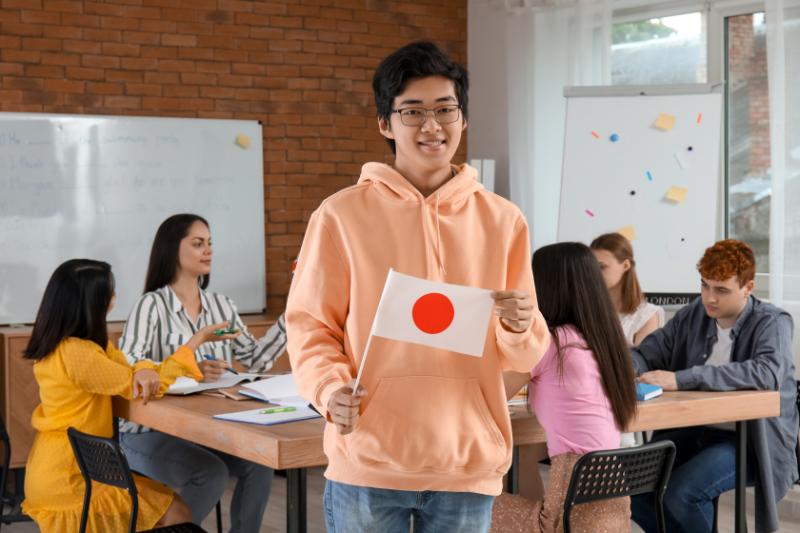
“Japanese language classes” are held in many communities as places that support residents with international backgrounds who live in the local area.
Even if you have heard of them, some people may wonder, “What do they actually study?” or “Who teaches them?”
Japanese language classes are not only places to learn everyday conversation, reading, and writing. They are also places where people can learn a wide range of things they need to live in Japanese local communities.
In this article, we introduce what can be learned in Japanese language classes, how classes are conducted, the role of Japanese language support volunteers, and how to participate. If you are interested in multicultural coexistence or support activities in your local community, please use this article as a reference.
目次
- 1 What Do People Do at Local “Japanese Language Classes”?
- 2 Here Is What We Learn at Japanese Language Classes
- 3 What Can Be Learned and Experienced at Japanese Language Classes Besides Language?
- 4 Why Local Japanese Language Classes Are Important
- 5 How Are Japanese Language Classes Conducted?
- 6 What Do Japanese Language Support Volunteers Do?
- 7 Kyotamba International Exchange Associsation Holds Japanese Language Classes for Multicultural Coexistence
- 8 Summary
What Do People Do at Local “Japanese Language Classes”?
Local Japanese language classes are not simply places where residents with international backgrounds learn Japanese.
In addition to practicing everyday conversation, reading, and writing, participants also learn knowledge necessary for living safely and comfortably in Japan, such as how to visit a hospital, procedures at the municipal office, local garbage disposal rules, disaster preparedness information, and traffic rules.
There are also opportunities to experience seasonal events and local culture and to learn expressions and dialects unique to the area. The classes also provide opportunities for interaction among participants and with local residents. Japanese language classes are important places where people can reduce anxieties about daily life while learning the language and building connections within the community.
For more information about local Japanese language classes, please see the following article.
What is a Local Japanese Language Class? From Learning Content to Volunteer Opportunities
Here Is What We Learn at Japanese Language Classes
We introduce what people with international backgrounds learn in Japanese language classes by dividing it into “language” and “daily life and culture.”
First, in terms of “language,” participants learn the following:
- Learn Japanese used in daily lifeぶ
- Practice communication, mainly through conversation
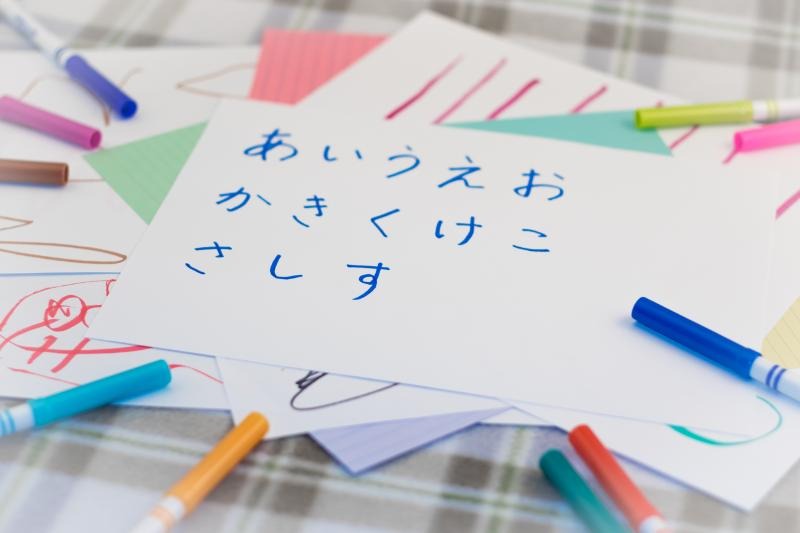
- Learn hiragana, katakana, and kanji
- Learn Japanese used at workplaces and schools
Let us explain each one in detail.
Learn Japanese Used in Daily Life
At Japanese language classes, participants learn Japanese commonly used in daily life, such as at stores, hospitals, municipal offices, banks, and on public transportation.
For example, they practice expressions that can be used in actual situations, such as “Where is ○○?”, “I would like to make a reservation,” “Where should I submit this document?” and “I have a fever.” As they become able to understand the language, the number of things they can do on their own increases, and their anxiety about daily life gradually decreases.
They can also directly hear and understand expressions that do not appear in general Japanese textbooks, such as phrases, intonation, and dialects unique to the local area.
Japanese language classes are familiar places of learning where people can learn language directly connected to everyday life.
Practice Communication mainly Through Conversation
In local Japanese language classes, practicing communication through conversation is also important.
Participants practice speaking in familiar situations, such as greetings and self-introductions, interactions with neighbors, and conversations with their children’s school teachers. Rather than focusing only on correct grammar, importance is placed on “communicating what you want to say to the other person” and “listening to and understanding what the other person says.” Even if they make mistakes, do not understand, or forget, they repeatedly practice until they are able to use the language. Conversations with support volunteers themselves become practical learning experiences.
Learn Hiragana, Katakana, and Kanji
Being able to read written information is also important for living in Japan. At Japanese language classes, participants learn from reading and writing hiragana and katakana to kanji that they often see in daily life.
For example, there is a great deal of information that can be obtained by being able to read, such as signs at train stations and hospitals, garbage disposal flyers, notices from schools, and information during disasters. It is not necessary to memorize everything perfectly. Being able to gradually read the words that are necessary for daily life leads to a more secure and comfortable life.
For more information about “Plain Japanese,” which uses hiragana and katakana and simple expressions to communicate information to more residents, please see the following article.
What is "Easy Japanese"? Learn How to Use It to Support Multicultural Coexistence
Learn Japanese Used at Workplaces and Schools
At Japanese language classes, participants may also learn Japanese needed at workplaces and schools. Topics include reporting, contacting, and consulting at work, conversations with supervisors and coworkers, how to read notices from their children’s schools, and how to contact teachers, according to different situations in daily life.
Depending on the learner’s wishes, classes may also provide support for studying vocabulary, grammar, and reading comprehension in preparation for taking the Japanese-Language Proficiency Test. Being able to learn according to one’s goals is also a major feature of Japanese language classes.
What Can Be Learned and Experienced at Japanese Language Classes Besides Language?
At Japanese language classes, participants can gain not only language learning but also daily life information necessary for living in Japan and connections with the local community.
In terms of “daily life and culture,” participants learn or experience the following:
- Daily life rules such as garbage disposal, administrative procedures, and traffic rules
- Knowledge needed at hospitals and during disasters
- Exchange events with local residents
- Seasonal events and traditional cultural experiences
Let us also look at each of these in detail.
Daily Life Rules Such as Garbage Disposal, Administrative Procedures, and Traffic Rules
When living in Japan, it is essential to know local garbage disposal rules, administrative procedures, and traffic rules. At Japanese language classes, participants learn information necessary for daily life, such as specific ways to separate garbage, checking collection days, how to submit documents at the municipal office, procedures related to changing an address and insurance, and how to ride a bicycle safely and correctly.
Even when the content is difficult to understand because of the language, it becomes easier to understand by checking it together in “Plain Japanese.” These kinds of learning provide important support for residents with international backgrounds to live safely and comfortably in their communities.
Knowledge Needed at Hospitals and During Disasters
When visiting a hospital or when a disaster occurs, it is important to correctly understand necessary information. At Japanese language classes, participants may learn how to explain symptoms, words used at reception desks, how to take medicine, and how to contact emergency services.
They may also learn together what they can do to prepare for earthquakes, typhoons, and heavy rain, where to evacuate when a disaster actually occurs, and how to check disaster preparedness information. Being able to acquire knowledge to avoid difficulties when an emergency occurs is also an important role of Japanese language classes.
The importance of disaster preparedness in multicultural coexistence is explained in more detail in the following article.
Disaster Preparedness for Residents with International Backgrounds: How Local Communities Can Prepare and Provide Support in Times of Disaster
Exchange Events with Local Residents
Japanese language classes also provide opportunities for residents with international backgrounds and local residents to meet. Depending on the class, exchange events and conversation gatherings may be held in addition to study time, creating places where participants can talk casually with one another. There may also be opportunities to enjoy activities together through cooking, crafts, and sports.
Having people they know in the community through Japanese language classes makes it easier to ask for advice when they have difficulties and contributes to a greater sense of security in daily life. For support volunteers, interacting with people from a variety of backgrounds also provides an opportunity to experience multicultural coexistence as something close to home.
Seasonal Events and Traditional Cultural Experiences
Japanese language classes may also provide opportunities to experience seasonal events and traditional culture. Through Tanabata, Setsubun, Hinamatsuri, calligraphy, origami, tea ceremony, and other activities, participants can experience Japanese culture and local customs.
At the same time, participants with international backgrounds may introduce food, languages, events, and cultures from their own countries. By learning about each other’s cultures, people can enjoy differences and deepen their understanding. Japanese language classes are not places where people simply learn about one culture from one side; they are places for interaction where people introduce their cultures to one another.
Why Local Japanese Language Classes Are Important
Local Japanese language classes are not places that exist only for residents with international backgrounds to study Japanese. Providing opportunities to learn Japanese helps them reduce anxieties about daily life and supports them in living safely and comfortably in the community. In addition, through conversations and consultations in the classes, support volunteers can notice difficulties and help connect them with necessary information.
We will explain what role Japanese language classes play in local communities.
Provide Opportunities to Learn Japanese
Even when living in Japan, people do not necessarily have sufficient opportunities to learn Japanese on a regular basis. Some people are busy with work or raising children and find it difficult to attend school.
Local Japanese language classes can provide valuable opportunities to learn Japanese easily in a familiar place. By gradually learning everyday conversation, reading and writing, and words necessary for daily life, people can increase the number of things they can do and understand on their own and gain confidence in living in the community.
Help Solve Difficulties Faced by Residents with International Backgrounds
Residents with international backgrounds may face difficulties not only because of language barriers but also because of differences in systems and customs. For example, they may have difficulty reading notices from the municipal office, explaining symptoms at a hospital, or understanding communications from their children’s schools.
At Japanese language classes, people can check these concerns together and provide necessary information in an easy-to-understand way. Having someone nearby whom they can consult when they have difficulties is an important source of support for living with peace of mind.
Create Connections and Interaction with the Local Community
Japanese language classes are also places where residents with international backgrounds and local residents can naturally meet. When face-to-face relationships develop through learning and conversation, people can better understand each other’s personalities, and everyday greetings, participation in local events, and helping one another when difficulties arise become smoother. Such interactions contribute to achieving “multicultural coexistence.”
Multicultural coexistence means living together in the same community beyond differences in nationality and culture. Japanese language classes are places where small steps toward this goal are accumulated and play a role in making the entire community a more comfortable place to live.
For more information about the importance of multicultural coexistence, please see the following article.
Why Is Multicultural Coexistence Important?
How Are Japanese Language Classes Conducted?
Japanese language classes are conducted according to the Japanese level of the participants and what they want to learn. For people who are not yet familiar with Japanese, classes may begin with greetings and simple conversations, while people who can already speak some Japanese may practice conversations and reading and writing according to daily life situations.
The format varies from class to class, including one-on-one lessons and small group lessons. Recently, some classes have also introduced online lessons and e-learning, expanding the ways in which people can learn more easily.
Japanese Language Classes Are Supported by Volunteers
Many local Japanese language classes are supported by volunteers from the local community and people interested in international exchange.
Some people may think, “Do I need a qualification to teach Japanese to participate?” However, it is not necessarily required to have a Japanese language teaching qualification. There are many ways to get involved, such as becoming a conversation partner, reading teaching materials together, and explaining daily life information in an easy-to-understand way.
What matters is listening to the other person and having an attitude of learning together. Getting involved with residents with international backgrounds through volunteer activities is a first step toward experiencing multicultural coexistence as something close to home.
What Do Japanese Language Support Volunteers Do?

At local Japanese language classes, Japanese support volunteers take on the following roles:
- Support Japanese language learning
- Become conversation partners for learners
- Listen to consultations about daily life
- Support class management and events
If you are interested, please contact the nearest international exchange association or local government.
Would you like to support a Japanese language class in Kyotamba Town? Contact us here
Support Japanese Language Learning
Japanese language support volunteers at Japanese language classes help learners during their Japanese study time. Rather than providing specialized instruction as Japanese language teachers, they often take the role of supporting learning. They may read teaching materials together, explain the meanings of words, and help with pronunciation and sentence-building practice.
Some learners are studying Japanese for the first time, while others want to learn Japanese for use at work or school, or aim to pass the Japanese-Language Proficiency Test and improve their skills for work. It is important to provide support according to each person’s goals and pace.
Rather than teaching perfectly, creating an atmosphere where learners can ask questions without hesitation and practice repeatedly even when they make mistakes leads to learning.
Become Conversation Partners for Learners
For people learning Japanese, opportunities to actually speak Japanese are very important, but many people do not frequently have such opportunities in their daily lives. Support volunteers become conversation partners for situations used in daily life, such as greetings, self-introductions, shopping, hospitals, schools, and workplaces.
Rather than having every mistake corrected in detail, learners can gradually gain confidence by having experiences where they feel that their Japanese has “gotten through” to someone. Casual conversations and topics about the local community are also valuable opportunities to encounter natural Japanese.
Listen to Consultations About Daily Life
At Japanese language classes, concerns and consultations related to daily life may also arise during learning. For example, they may involve the meaning of documents received from the municipal office, garbage disposal rules, how to make a hospital appointment, or the contents of notices from schools.
Support volunteers explain these matters in “Plain Japanese” or check necessary information together with the learners. However, when specialized judgment is required, it is also important to connect learners with government offices or specialized organizations. Having someone nearby whom they can consult contributes to learners’ sense of security and safety.
Support Class Management and Events
The activities of support volunteers are not limited to learning support. They may also help prepare classrooms, handle reception, organize teaching materials, contact participants, and manage exchange events and cultural experience events.
At seasonal events and exchange events with local residents, they may also help prepare the venue, assist with the event, and connect participants with one another. These kinds of operational support are what allow Japanese language classes to continue. Getting involved in ways that you can enjoy and continue without overburdening yourself becomes a source of support for multicultural coexistence in the community.
How to Become a Japanese Language Class Support Volunteer
If you would like to participate as a Japanese language class support volunteer, first check the website of your local government or information from your local international exchange association.
Searching with keywords such as “Japanese language class support volunteer” or “international exchange association Japanese language class” may help you find volunteer recruitment information. Application methods vary by organization, such as application forms, telephone, email, or participation in orientation sessions. It is important to check the activities, dates and times, and whether any experience is required, and choose a way of getting involved that suits you.
Participating in a way that you can continue comfortably also helps build trusting relationships with learners.
Would you like to support a Japanese language class in Kyotamba Town? Contact us here
Kyotamba International Exchange Associsation Holds Japanese Language Classes for Multicultural Coexistence
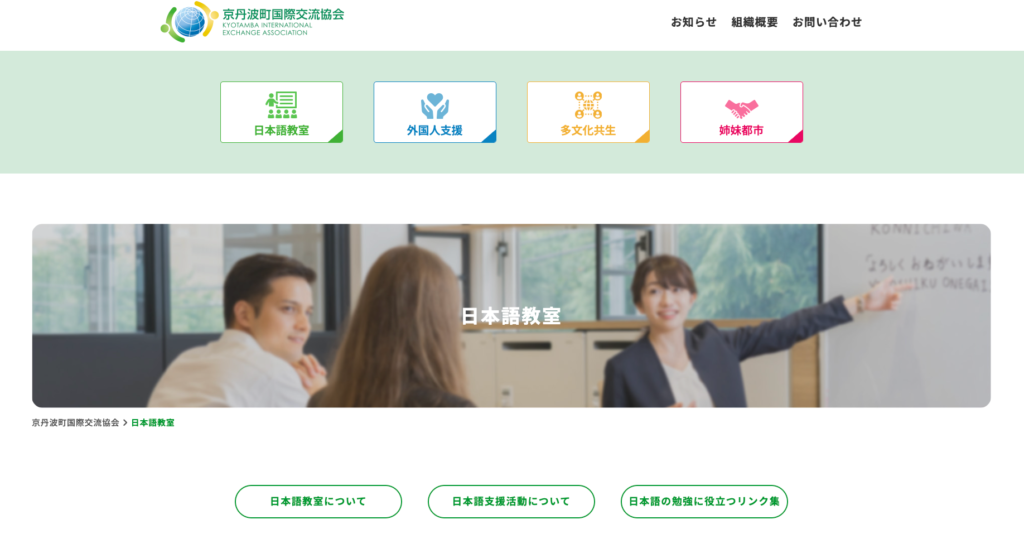
Kyotamba International Exchange Association holds Japanese language classes so that people who do not speak Japanese as their native language and who live in Kyotamba Town can learn Japanese while reducing the difficulties of daily life in Japan.
In addition to learning support according to each individual’s level and needs, the classes also offer Japanese cultural experiences such as kimono, tea ceremony, and calligraphy, as well as gatherings for learners to interact with one another. Another feature is that importance is placed on residents with international backgrounds and Japanese residents experiencing each other’s cultures and deepening their mutual understanding.
We Are Looking for Japanese Language Supporters
Kyotamba International Exchange Association is looking for Japanese language supporters who can empathize with people whose native language is not Japanese and support their desire to learn Japanese. No special qualifications or conditions, such as being fluent in a foreign language or being a Japanese language teacher, are required.
Applicants should be native Japanese speakers who live or work in Kyotamba Town. Previous support experience and age do not matter. If you would like to participate, you can contact the association office by telephone, email, or contact form to visit a class you are interested in supporting. Even those without experience can participate together with supporters who are already active and gradually learn how to provide support.
If you are interested in international exchange and multicultural coexistence that you can take part in locally, we encourage you to join us.
Learn more about Japanese language classes in Kyotamba Town here
Summary
Japanese language classes are not simply places to learn Japanese; they are important places of support that help residents with international backgrounds live safely and comfortably in their communities. In addition to learning Japanese used in daily life and reading and writing, participants can also learn knowledge necessary for daily life, such as administrative procedures, hospitals, disaster preparedness, and garbage disposal rules.
Japanese language classes are also places where residents with international backgrounds and local residents can meet and interact. Learning about each other’s personalities and backgrounds through conversation and cultural experiences is a first step toward promoting multicultural coexistence.
In some cases, Japanese language class support volunteers can participate without special qualifications such as being a Japanese language teacher. They can get involved in ways that suit them, such as becoming a conversation partner, supporting learning, or helping manage classes. To help people living in the community support one another, why not first check information from your local government or international exchange association and consider participating as a Japanese language class support volunteer?
関連記事
-

An Introduction to Diversity: Understanding It Through Everyday Examples
An easy-to-understand introduction to diversity through everyday examples in our communities, schools, workplaces, and daily lives. Learn about its connection to multicultural coexistence and how we can build a society where everyone can live comfortably.
-

How Can We Build a Community Where People from International Backgrounds Can Live Together? A Roadmap and What We Can Do
Learn what multicultural coexistence with people with international backgrounds means, why it matters, and what we can do in our daily lives to build an inclusive community.
-

Why Is Multicultural Coexistence Important?
Explaining the benefits of multicultural coexistence based on Japan's current situation, including declining birth rates, an ageing population, and the increase in foreign-born workers. We also introduce Kyoto Prefecture's multicultural initiatives and actions that can be taken locally.


Click here for our other SNS
-
Facebook

-
X

-
LINE

-
Youtube