


Column List
-

What Is Disaster Preparedness for Residents with Foreign Roots? Explaining Community Support and Preparation for Disasters
Learn about the challenges that residents with foreign roots may face during disasters, as well as ways communities can provide support, including disaster preparedness drills, multilingual communication, and the use of Easy Japanese. Through disaster preparedness that leaves no one behind, let us consider how we can build an inclusive, multicultural community.
-

How Can We Build a Community Where People from International Backgrounds Can Live Together? A Roadmap and What We Can Do
Learn what multicultural coexistence with people with international backgrounds means, why it matters, and what we can do in our daily lives to build an inclusive community.
-
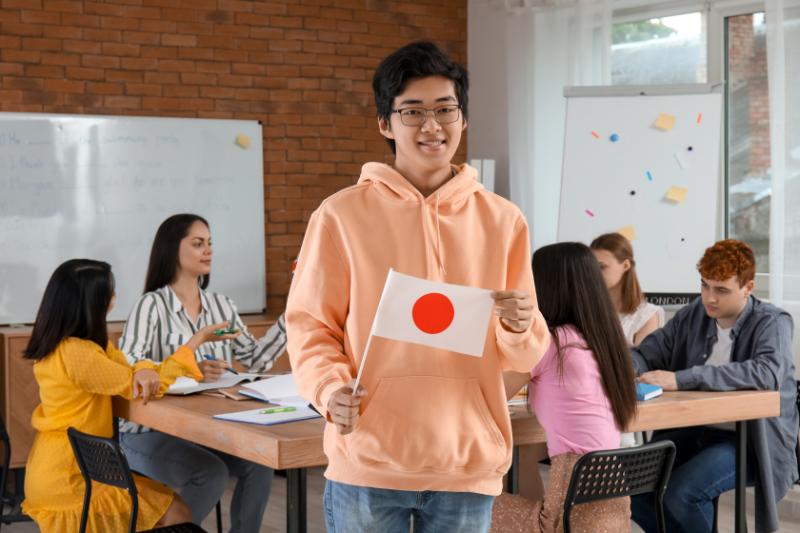
What Is a Japanese Language Class? An Introduction to What Is Learned and How to Participate as a Volunteer
This article explains what Japanese language classes are, what participants learn, the role of Japanese language support volunteers and how to get involved, as well as the Japanese language classes offered by the Kyotamba International Exchange Association.
-
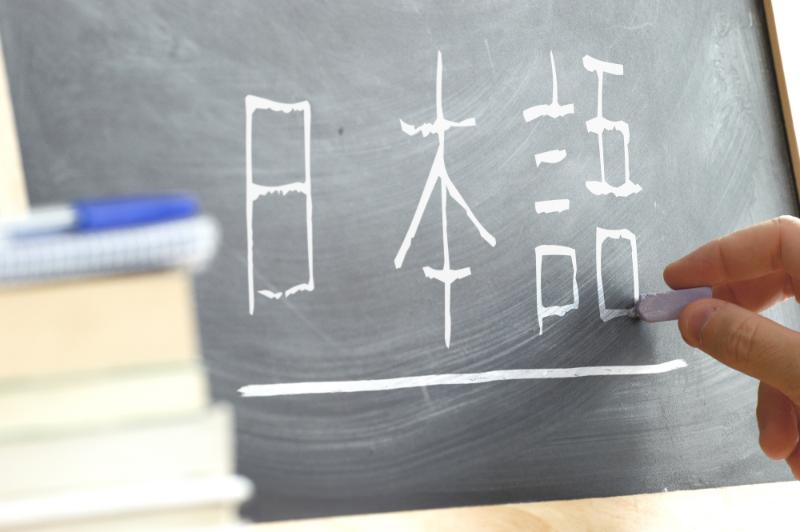
What is a Local Japanese Language Class? From Learning Content to Volunteer Opportunities
A local Japanese language class is a space where residents with foreign roots learn Japanese and essential daily life information. This article explains the differences from private language schools, learning materials, attendee backgrounds, and how to participate as a volunteer.
-

What is Cross-Cultural Understanding? Exploring Its Importance, Practical Examples, and How to Learn
An easy-to-understand guide to cross-cultural understanding. Explore its necessity, relatable examples, and practical approaches to learn mindsets that foster multicultural coexistence.
-

An Introduction to Diversity: Understanding It Through Everyday Examples
An easy-to-understand introduction to diversity through everyday examples in our communities, schools, workplaces, and daily lives. Learn about its connection to multicultural coexistence and how we can build a society where everyone can live comfortably.
-

What is "Easy Japanese"? Learn How to Use It to Support Multicultural Coexistence
An easy-to-understand guide to "Easy Japanese" (Yasashii Nihongo). Discover its origins, practical use cases, relationship with multicultural coexistence, and key writing tips. Learn how anyone can practice and integrate Easy Japanese into daily life.
-

Introducing 10 Case Studies of Multicultural Coexistence Initiatives
Discover 10 real-world examples of multicultural coexistence, from language support and disaster preparedness to healthcare and local exchange. Also introduces initiatives in Kyotamba, Kyoto.
-
What Can You Do for Multicultural Coexistence? Practical Local Examples
How can you support multicultural coexistence? Discover simple, practical steps you can take today—from greeting your neighbors and using "Easy Japanese" to joining local community activities. We also highlight specific initiatives in Kyotamba Town.
-

Why Is Multicultural Coexistence Important?
Explaining the benefits of multicultural coexistence based on Japan's current situation, including declining birth rates, an ageing population, and the increase in foreign-born workers. We also introduce Kyoto Prefecture's multicultural initiatives and actions that can be taken locally.
Click here for our other SNS
-
Facebook

-
X

-
LINE

-
Youtube